
Millipede Pest Control Melbourne, VIC
Australia is home to more than 400 millipede species and they typically are found in the vicinity of the workplace and in homes. In these situations you can count to 365 Pest Control for efficient millipede pest management services. Our skilled specialists across Melbourne, Australia are skilled in identifying and tackling infestations by providing millipede pest control services to ensure your home is secure and free of pests.
365’s millipede extermination
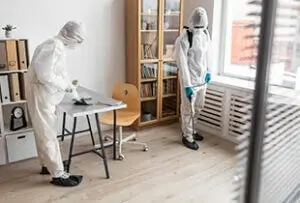
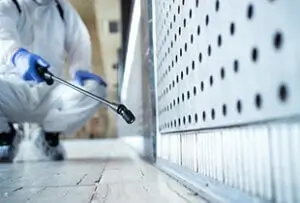
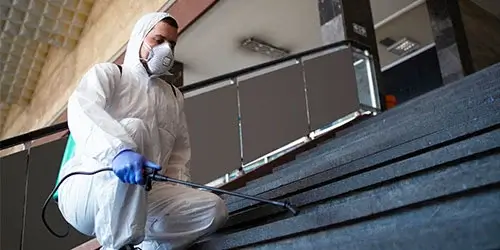
Millipede control for commercial and residential services are crucial to ensure an environment that is clean and free of pests. Millipedes pest are often found in offices, homes and industrial buildings at a high rate, particularly when they are in moist conditions. Millipede control solutions for professionals are focused on finding entry points, decreasing humidity, and implementing effective methods to stop the spread of. No matter if you have a small home property or a massive commercial building, prompt millipede control can help avoid repeat issues and safeguards your home from the annoyance of pests. Professional millipede control ensures the long-term protection of your home safe, clean and comfortable all entire year.

Millipede Control for Household
Millipede control within a household involves a combination of preventive measures and targeted solutions. It is done to manage and reduce millipede populations in the entire area of your house.
Millipede Control for Garden
Millipede pest control in gardens involves a combination of strategies to manage and minimize millipede impact on your plants and crops. Contact us to ensure your garden remains beautiful for as long as possible.
Process of Our
Millipede Pest Control Plan
Habitat Modification
Monitoring
Monitoring
Identification
Identification
Professional Assistance
Cultural Practices
Cultural Practices
Reporting
Reporting
Targeted Treatments
Targeted Treatments
Follow-up
Follow-up
Reason for Choosing 365 for Millipede Control in Melbourne, VIC
- Qualified & well exp. Technicians
- Environmental friendly products
- Police check employees
- Always arrive on time
- Clean & calibrated equipment
- Quick response
- No smelly odours
- Guaranteed results
- Comprehensive support
- Focus on pest prevention
Request a Callback
FAQ on Millipede Control
In Australia, you can reduce millipede infestations by fixing leaks and using dehumidifiers, sealing entry points, and removing debris from around your foundation. If you want to get professional help call an expert firm like 365 pest control for millipede pest control.
To get rid of millipedes, reduce moisture, seal entry points, clear debris, use physical barriers, set up traps, encourage natural predators, consider chemical control as a last resort, and implement integrated pest management strategies.
Millipedes are generally not harmful to humans. While they can secrete fluids that might cause mild skin irritation, they do not pose significant health risks.
If millipede infestations are extensive, persistent, or causing significant damage, consider consulting a pest control professional. They can provide expertise and recommend suitable treatments.
Learn More About
Millipedes

Body Structure
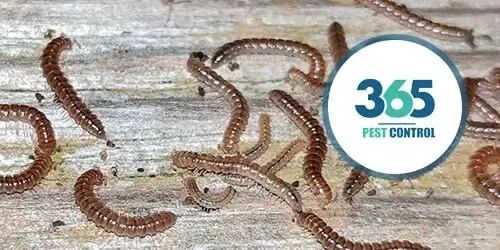
Millipedes have a cylindrical body made up of many segments. Each segment typically bears two pairs of legs, except for the first few segments which might have one pair.

Leg Arrangement
Unlike centipedes, which have a single pair of legs per segment, millipedes have two pairs of legs on most segments.

Habitat
Millipedes prefer damp and dark environments, such as under logs, leaf litter, rocks, and in soil. They are most active at night.

Antennae
Millipedes have short, antennae-like structures on their heads that aid in sensory perception.

Color and Texture
They come in a variety of colours, including brown, black, and reddish, often with a tough exoskeleton that can be smooth or slightly textured.

Diet and Behavior
Millipedes are detritivores, feeding on decaying plant material and organic matter. They play a crucial role in ecosystems by breaking down dead plant matter and recycling nutrients. Some species feed on live plants and crops.


